



Contact Us
Outdated or damaged wiring puts your home and family at risk. Older Baton Rouge homes often have electrical systems that weren’t designed for modern power demands. Faulty wiring causes electrical fires, equipment damage, and safety hazards. BIG Family Electrical Services & EV Charger Installation provides complete home rewiring services that bring your electrical system up to current safety standards.
Rewiring a home is a major project, but it’s necessary when your electrical system can’t safely support your needs. We work efficiently to minimize disruption while ensuring every wire, connection, and circuit meets code requirements for reliable, safe operation.
our services:
- Carbon Monoxide Detector Installation
- Circuit Breaker Installation
- Doorbell Installation
- Electrical Outlet Installation
- Electrical Panel Upgrade & Replacement
- Electrical Repair Services
- Electrical Rewiring
- Electrical Safety Inspection
- Electrical Service Upgrade
- Electrician
- Emergency Electrician
- EV Charger Installation
- GFCI Outlet Installation
- Home Automation Installation
- Low Voltage Wiring
- Residential Electrician & Electrical Services
- Smoke Detector Installation
- Whole House Generator Installation & Repair
- Whole House Surge Protector
WHAT YOUR NEIGHBORS ARE SAYING ABOUT US
Warning Signs Your Home May Need Rewiring
Several indicators suggest your home’s wiring has reached the end of its safe lifespan. Pay attention to these warning signs and schedule an electrical inspection if you notice them.
Common signs that point to wiring problems include:
- Frequent circuit breaker trips even when you’re not running many appliances
- Flickering or dimming lights when you turn on other devices
- Outlets or switches that feel warm or hot to the touch
- Burning smell near outlets, switches, or the electrical panel
- Discolored or scorched outlet covers and switch plates
- Sparks when you plug in devices or flip switches
- Outlets that don’t hold plugs firmly or don’t work at all
- Two-prong outlets throughout the house indicate no ground wire
- Insufficient outlets leading to reliance on extension cords and power strips
- Aluminum wiring was installed during the 1960s and 1970s
- Knob-and-tube wiring in homes built before 1950
Electrical panel with fuses instead of circuit breakers
Baton Rouge’s humidity accelerates wire insulation deterioration. Older homes with wire runs through hot attics face additional stress from Louisiana’s extreme summer temperatures. These conditions can break down insulation faster than in drier or cooler climates.
If your home is more than 40 years old and hasn’t been rewired, an electrical inspection makes sense even without obvious problems. Wire insulation becomes brittle over time, and connections loosen, creating hazards you can’t see.
Dangers Associated With Aging or Damaged Wiring
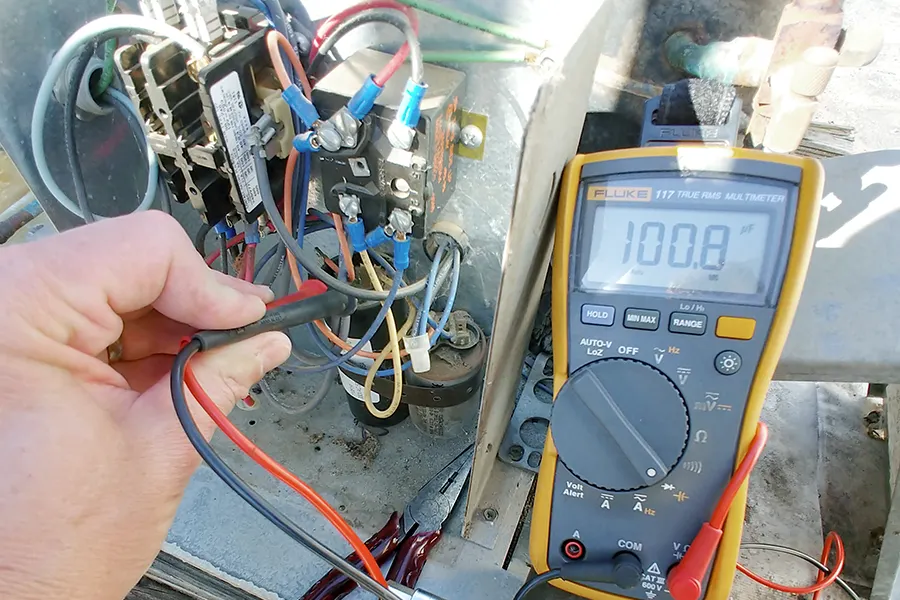
- Electrical fires are the primary danger. The National Fire Protection Association reports that electrical failures or malfunctions cause about 13% of home fires. Outdated wiring with deteriorated insulation can arc and spark inside walls. Overloaded circuits generate heat that ignites surrounding materials. Loose connections create resistance that produces dangerous temperatures.
- Electric shock happens when damaged insulation exposes live wires or when outlets lack proper grounding. Without a ground wire, electrical faults can't safely discharge, putting anyone who touches an affected appliance or fixture at risk.
- Equipment damage occurs when an unstable electrical supply delivers inconsistent voltage to sensitive electronics. Power surges from faulty wiring destroy computers, televisions, and appliances. The cost of replacing damaged equipment often exceeds the cost of preventative rewiring.
- Inability to meet modern power demands leaves you unable to use your home fully. Central air conditioning, electric vehicle chargers, modern kitchen appliances, and home offices require electrical capacity that older wiring can't provide safely. Adding circuits to inadequate wiring doesn't solve underlying problems and may create additional hazards.
- Insurance complications can arise with outdated wiring. Some insurance companies increase premiums, limit coverage, or refuse to insure homes with knob-and-tube or aluminum wiring. Documented rewiring may reduce insurance costs and make your home insurable.
Common Outdated Wiring Types Found in Older Homes
- Knob-and-tube wiring was used from the 1880s through the 1940s. This system uses ceramic knobs to hold wires and ceramic tubes where wires pass through the framing. The wires have rubber or cloth insulation that deteriorates over decades. Knob-and-tube lacks a ground wire and can't safely support modern electrical loads. Most insurance companies won't cover homes with active knob-and-tube wiring.
- Aluminum wiring appeared in homes built between 1965 and 1973 when copper prices peaked. Aluminum expands and contracts more than copper, loosening connections over time. These loose connections create heat and fire hazards. Homes with aluminum wiring have a higher fire risk than those with copper. Special connectors and techniques can make aluminum wiring safer, but complete replacement is the most reliable solution.
- Cloth-insulated wiring was common through the 1960s. The fabric insulation becomes brittle and falls off after 40 to 50 years, exposing bare copper wire. This creates shock and fire hazards wherever the insulation has failed.
- Two-wire systems without ground were standard in homes built before the 1960s. These systems have only hot and neutral wires with no ground wire for safety. Modern electrical code requires grounded circuits. Three-prong outlets installed on two-wire systems create a false sense of safety since they can't actually provide grounding protection.
- Undersized wiring for current demands is common in older homes. Houses built when electrical needs were minimal may have 60-amp service with small-gauge wire throughout. Modern homes typically need 200-amp service and heavier wire to support air conditioning, kitchen appliances, electronics, and electric vehicle charging.
Our Professional Home Rewiring Approach
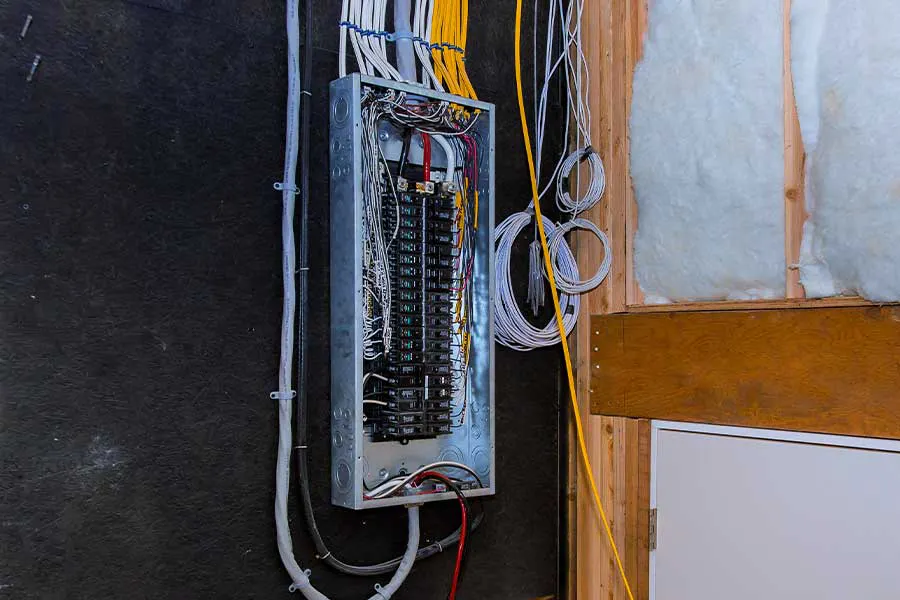
Complete home rewiring is complex work that requires careful planning and skilled execution. We approach every rewiring project systematically to deliver safe, code-compliant results with minimal disruption to your daily life.
Our rewiring process includes:
- Comprehensive electrical inspection to assess your current system and identify all problem areas
- Detailed rewiring plan that addresses safety concerns while meeting your electrical needs
- Electrical permit acquisition and coordination with local inspectors
- Strategic access point planning to minimize drywall damage during wire installation
- Complete removal of outdated or damaged wiring from walls, ceilings, and attics
- Installation of new copper wiring sized appropriately for each circuit
- Proper grounding throughout your home’s electrical system
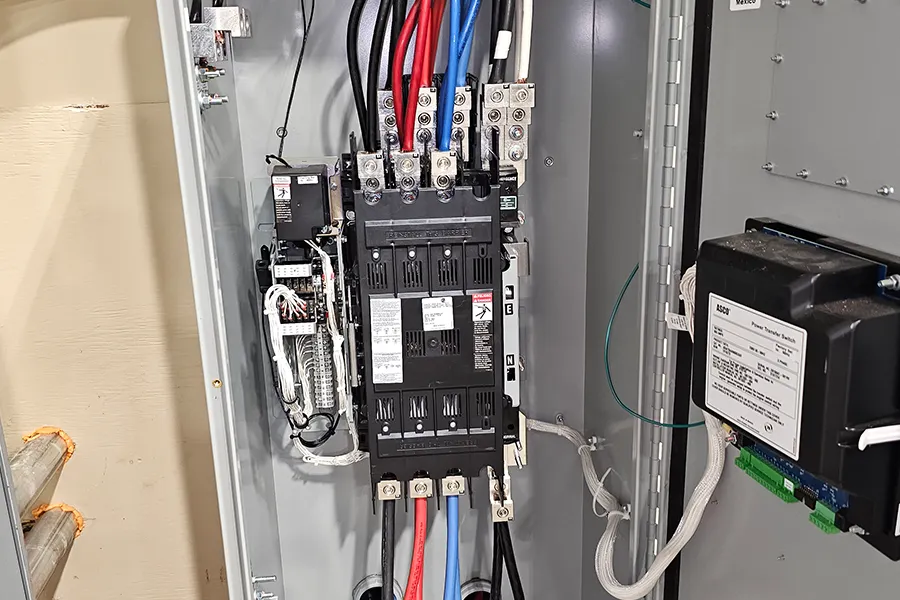
- New electrical panel installation if your current panel is outdated or insufficient
- Updated outlets and switches, including GFCI and AFCI protection where required by code
- Labeling of all circuits for easy identification
- Professional drywall patching and repair of access holes
- Final inspection and testing to verify safe operation
- Certificate of compliance for insurance and real estate purposes
We work room by room when possible, so you can continue living in your home during rewiring. Essential circuits remain active while we work on others. We communicate clearly about which areas we’re working in each day and when power will be temporarily off.
Baton Rouge homes often have wiring run through hot attics where temperatures exceed 140 degrees in summer. We use wire rated for high-temperature applications in these areas and ensure proper support and protection.
Why Homeowners Choose BIG Family Electrical Services & EV Charger Installation
BIG Family Electrical has served Baton Rouge since 2006. We’re a family-owned company built on generations of electrical knowledge. Our founder brings both hands-on electrician experience and engineering expertise to every rewiring project.
Safety is our top priority. Rewiring protects your most valuable assets, your family and your home. We follow the electrical code precisely because lives depend on proper installation. We don’t take shortcuts or use inferior materials. Every connection, every wire, and every circuit gets the attention it deserves.
We understand Baton Rouge homes and construction methods. We know how to work in homes with crawl spaces, slab foundations, and raised foundations. We’re familiar with how local homes were built across different decades and what challenges each presents. That experience helps us complete rewiring efficiently without unnecessary damage.
Our approach respects your home and your time. We protect your belongings, clean up thoroughly each day, and work efficiently to minimize how long your home is under construction. We explain what we’re doing and why, so you understand the value of the work being performed.