
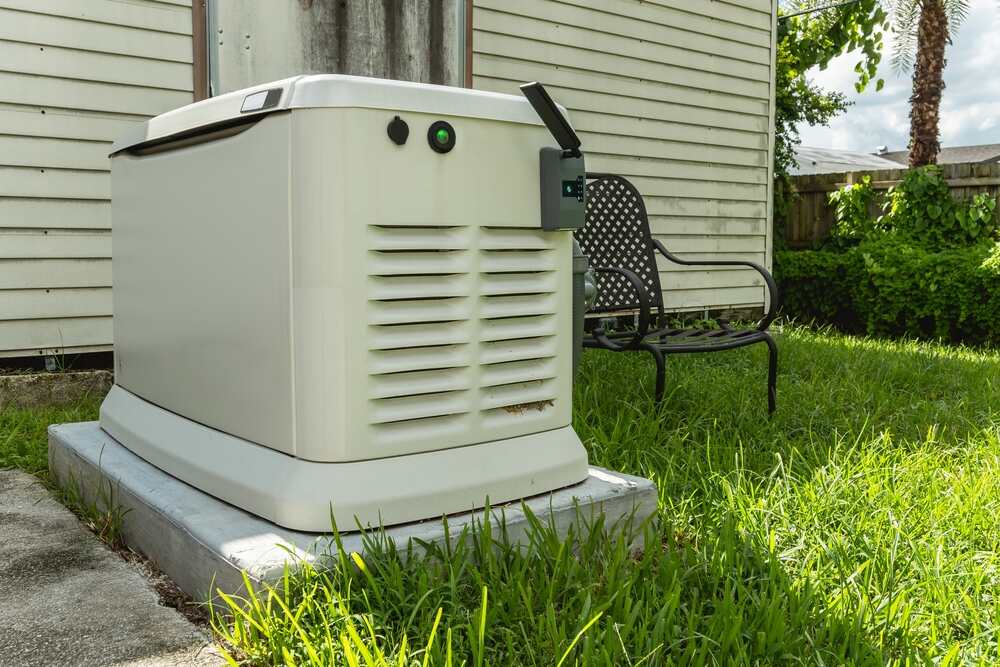
A standby generator connects to your home’s electrical panel through an automatic transfer switch and restores power within seconds of an outage, while a portable generator requires a manual hookup but costs far less upfront. For Baton Rouge homeowners heading into hurricane season, the right choice comes down to budget, home size, and how much of the house you need to keep running.
As hurricane season approaches Baton Rouge, the anticipation of storms and power outages brings real anxiety for a lot of homeowners. That was the case for Renee B., a longtime BIG Family Electrical Services customer, before this season. When the worry started setting in, Renee reached out to BIG Family to consult on a portable generator hookup. Nick, the technician who handled her visit, walked through every detail of how the generator would integrate with her home’s electrical system. That kind of clarity left Renee confident heading into storm season instead of dreading it.
Why Generators Matter During Hurricane Season
Louisiana’s hurricane season runs from June through November, and the storms that pass through Baton Rouge can knock out power for hours or, in the worst cases, for days at a time. A reliable generator can be the difference between managing an outage comfortably and scrambling through one. Generators provide backup power that keeps essentials running, including cooling systems, refrigeration, kitchens, and home security, so a storm does not turn into a second emergency on top of the first.
For homeowners across Baton Rouge and the surrounding communities of Denham Springs, Prairieville, and Gonzales, generator installation is less a convenience than a safeguard against the unpredictability that hurricane season brings every year.
Portable vs Standby Generators, Which One Fits Your Home?
Choosing the right generator starts with understanding what each type actually does.
Portable generators run on gasoline or propane and require you to manually connect them during an outage, typically through a transfer switch installed near your panel. They cost less upfront and work well for smaller homes or homeowners who mainly want to keep a refrigerator, some lighting, and a few outlets running through a shorter outage.
Standby generators install permanently outside the home, connect directly to your electrical panel through an automatic transfer switch, and start on their own within seconds of a power loss. They run on natural gas or propane and can power anywhere from a handful of essential circuits up to the entire house, depending on their size in kilowatts. For homeowners who want a truly hands-off experience, or who need central air conditioning and major appliances to stay online through an extended outage, a standby system is the more complete solution.
[ASSUMPTION] Installed costs vary by market and home size, but as a general reference point, portable generator hookups often run in the low thousands including the transfer switch and labor, while whole-home standby systems typically range from around $7,000 to $20,000 or more installed, depending on generator size and site conditions. Confirm current, project-specific pricing with your electrician before budgeting.
How Big of a Generator Does Your Baton Rouge Home Need?
Sizing a generator correctly is the step homeowners most often get wrong, and it matters more than brand or price. An undersized unit will trip or force you to shut off circuits manually during an outage, which defeats the purpose of installing one in the first place.
The right size depends on:
- Square footage and the number of circuits you want covered
- Whether you want to run central air conditioning, which draws significantly more power than lighting and small appliances
- Electric versus gas appliances, since an electric range or water heater adds meaningfully to the load
- Whether you have a well pump, pool pump, or other continuous-draw equipment
A licensed electrician calculates your home’s actual load rather than guessing, which is why an in-home assessment is the right first step before choosing a unit.
Why Choose BIG Family for Your Generator Installation
BIG Family Electrical Services has built its reputation on the kind of straightforward, patient service that Renee experienced. Customers consistently point to a few things that set the team apart.
Expertise and professionalism. Customers frequently mention Nick and Eric by name for their knowledge and their willingness to explain how a system works rather than just installing it and moving on.
Punctuality and reliability. Technicians like Eric are known for arriving on time and completing the work efficiently, which matters most when a storm is on the way and there is no room for delay.
Comprehensive guidance through installation. The team walks homeowners through each step of the process so there are no surprises. Richard P., another BIG Family customer, specifically noted the transparency of the installation process and the range of options presented before making a decision.
Getting Your Generator Ready Before Hurricane Season Hits
Owning a generator only helps if it works when you need it. A few maintenance habits make the difference between a generator that performs and one that fails at the worst possible moment.
- Test it regularly. Run the generator periodically, not just once a year, so you catch problems while there is still time to fix them before a storm arrives.
- Manage fuel properly. If your generator runs on gasoline or propane, store fuel safely, rotate it as recommended, and check for leaks or signs of mechanical wear.
- Schedule a professional inspection. A preventive inspection ahead of hurricane season catches small issues, like a failing battery or a loose connection, before they become the reason your generator does not start.
Frequently Asked Questions About Home Generators
How long does generator installation take?
A portable generator hookup with a transfer switch is often completed in a single day. A standby generator installation, which involves a concrete pad, gas or propane hookup, and a permitted electrical connection, typically takes one to three days depending on site conditions and whether a panel upgrade is needed.
Do I need a permit to install a generator in Baton Rouge?
Yes. Standby generator installations require an electrical permit and inspection, and a licensed electrician handles that as part of the job. Skipping the permit can create problems with your insurance and with any future home sale.
Can my electrical panel handle a standby generator?
Most standby generators connect through a dedicated transfer switch, but if your panel is older or already near capacity, an electrical panel upgrade may be recommended first to ensure the whole system works reliably.
How often should I run my generator to keep it ready?
Most manufacturers recommend running a generator briefly every month, even without an outage, to keep the engine and battery in working condition. Many standby systems include an automatic self-test feature that handles this on a schedule.
Should I pair a generator with surge protection?
Yes. The transition between utility power and generator power, and the surges that often follow a storm once utility power is restored, can stress connected electronics. A whole house surge protector installed alongside your generator adds another layer of protection for the devices your home depends on.
Get Ahead of Hurricane Season This Year
This hurricane season, do not leave the comfort and safety of your home to chance. Whether you are installing a new system or maintaining an existing one, a properly sized and well-maintained generator keeps your household running when the grid does not.
At BIG Family Electrical Services, we help Baton Rouge homeowners evaluate their options, size the right system for their home, and install it correctly the first time. Contact our team today to prepare your home for whatever this hurricane season brings.